The Future of Festivals in Bulgaria – BFA National Conference Brings Together the Bulgarian and European Festival Sectors
15.09.2026
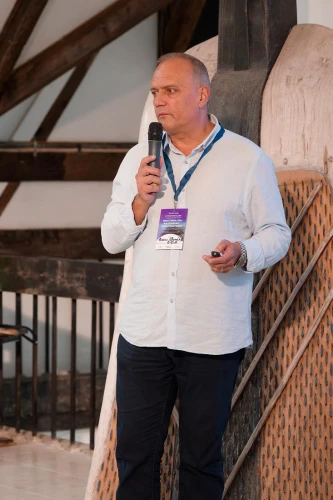
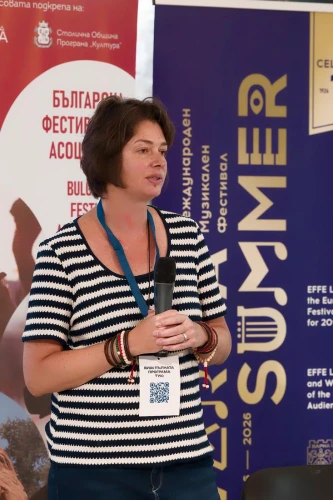
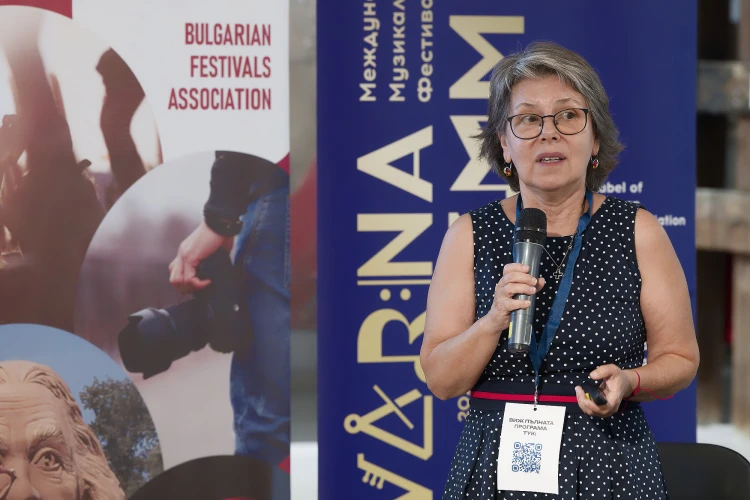
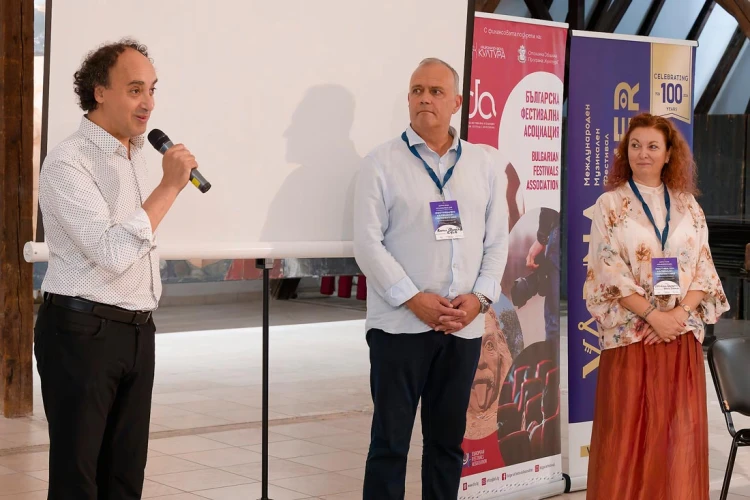
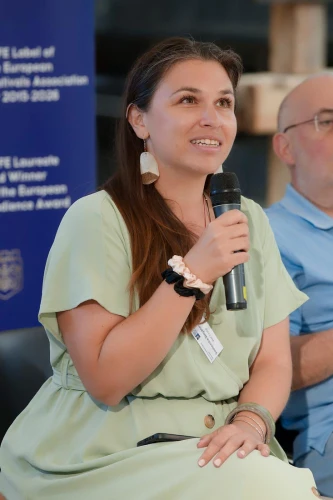
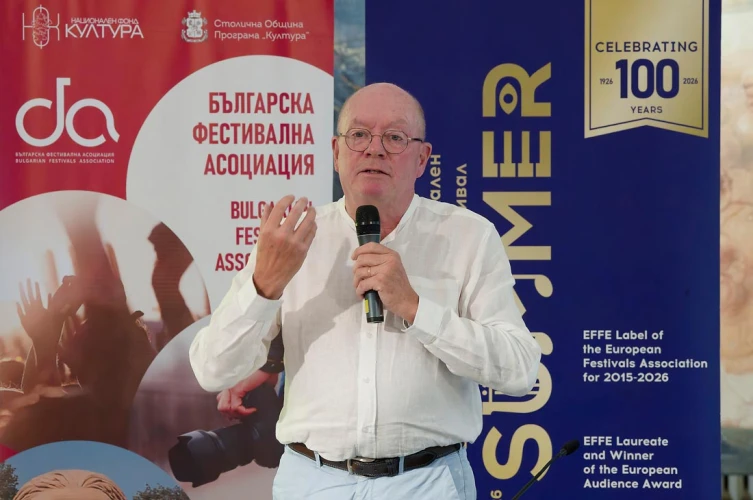
From 4–6 September, representatives of Bulgarian festivals, public institutions and the marketing sector gathered in Varna for the national conference of the Bulgarian Festivals Association (BFA) and the forum of the European Festivals Association (EFA). Representatives of Ruse Municipality also took part, presenting the International Festival March Music Days as one of the oldest festivals in Bulgaria and an important force shaping the cultural identity of the city and Northern Bulgaria. The event took place against the backdrop of the centenary edition of the International Music Festival “Varna Summer”.
BFA’s forum focused on the importance of festivals in Bulgaria, their sustainability, their ability to attract and develop audiences, and effective approaches to their long-term growth. Funding and international development were also discussed.
The meeting was accompanied by “Denis de Rougemont” Forum of the European Festivals Association (EFA), organised jointly with International Music Festival “Varna Summer”.
The Sustainability of Festivals in Bulgaria
The discussion on the development of festivals in Bulgaria began last year at the association’s previous conference, “The Festival and the City”, held in Sofia. One of the main topics discussed this year in Varna was how Bulgaria and its festival cities could create a more professional environment for the development of the sector.
Festivals in the country are already fulfilling their most important function – building audiences – while the focus of the cultural sector is shifting towards establishing them as a sustainable resource for the development of cities, both economically and in terms of their cultural and historical identity. The key drivers behind the successful organisation of a festival were examined: professional teams, partnerships, the involvement of communities and volunteers, as well as local, external and private investment. BFA’s current vision focuses on creating a mutually supportive national environment in which cultural institutions, municipalities and independent operators have equally important and interconnected roles.
Measuring the Impact of Festivals
The national conference emphasised the need for more effective measurement of the economic, social, cultural and environmental impact of festivals. Dr Diana Andreeva-Popyordanova, Director of the Observatory of Cultural Economics, presented the findings of a BFA study and highlighted the importance of clear evaluation criteria, as well as the need of establishing an accessible database with clearly categorised measurable data.
Dobromir Zhivkov, Managing Director of the sociological agency Market Links, highlighted the role of audience feedback, which should be used not merely as statistics but as a basis for decisions concerning programming, communication and the development of sustainable relationships with audiences.
The Role of Local Authorities in Established and Emerging Cultural Formats
Representatives of the municipalities of Sofia, Burgas, Veliko Tarnovo and Ruse took part in the discussion on the role of local authorities, with Ruse represented by Miglena Voynova, Head of the Culture, Spiritual Development and Arts Department. Additional perspectives were provided by representatives of emerging cultural formats, including BUNA, PICTOPLASMA, “48 Hours Varusha South” and SAKÉ.
The discussion demonstrated that festivals today are significant enough to have a direct influence on urban cultural planning and tourism. It reinforced the conclusion that festival policy is now intrinsically linked to tourism, public spaces, education and local communities.
An International Perspective
Jan Briers, President of the European Festivals Association – the oldest cultural network connecting festivals across the continent and beyond – also took part in the discussions. He presented EFA’s initiatives aimed at creating professional networks. In the context of international cooperation, the “Denis de Rougemont” Forum was held in parallel, with the aim of establishing new professional partnerships focusing on the Balkans.
Festivals Are More Than Events on the Calendar
Festivals are much more than events in the cultural calendar – they are strategic drivers of urban development with a long-term impact. The meetings in Varna clearly demonstrated that investment in such forums resonates throughout the urban environment, stimulates the local economy, builds communities and strengthens Bulgaria’s image internationally.
The major challenge ahead is not simply the frequency or number of events, nor the financial scale of their implementation. It is time for a mature step forward: building a sustainable environment for growth and objectively measuring the real value that the festival sector brings to society.
In this new reality, the International Festival March Music Days holds its well-deserved place. As one of the oldest and most established festivals in Bulgaria, it carries the weight of a rich history and traditions that underpin its artistic authority. In a world of rapidly changing trends, the Ruse-based festival remains a true stronghold of classical music – upholding a high standard that not only preserves cultural memory but also demonstrates how commitment to the integrity of the genre can provide a sustainable model for maintaining a discerning audience. At the same time, the festival continues to seek ways to engage and attract new audiences while preserving its artistic standards and good taste.




_1626953901-thumb.webp "Radio Puse")
_1626954401-thumb.webp "Вестник УТРО")


_1626957078-thumb.webp "НУИ \"Проф. Веселин Стоянов\" - Русе")

_1626958604-thumb.webp "ME Ruse Art")




_1626962643-thumb.webp "Happy Bar & Grill")











_1627399883-thumb.webp "Аtlas Taxi")